Barbells & Plates
Showing all 16 results
-

15 lbs Training Bar by WRIGHT EQUIPMENT
$174.00 Add to cart -
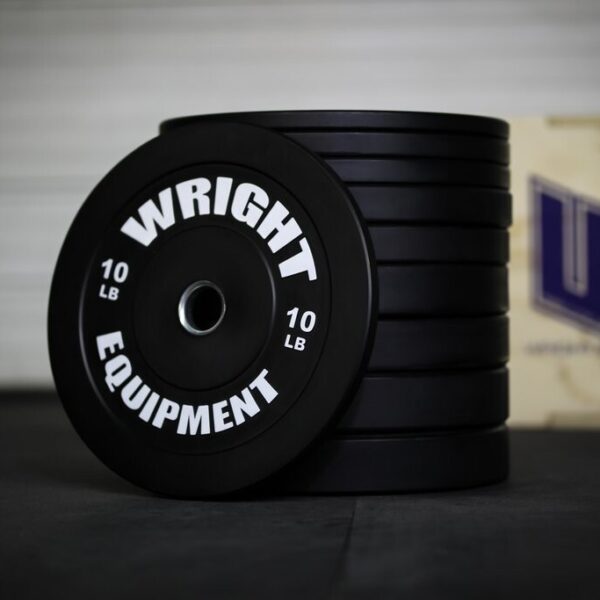
Econ Bumper Plates by WRIGHT EQUIPMENT
Read more -
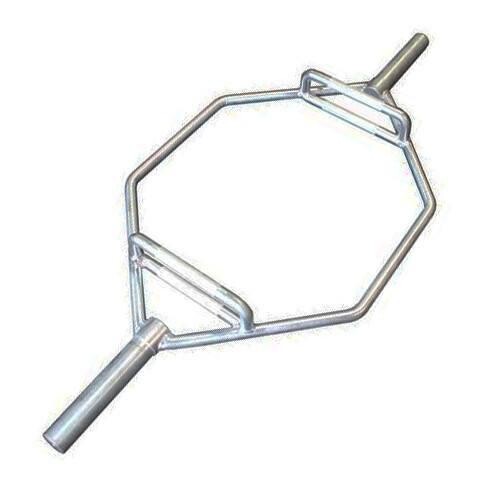
Econ Combo Hex Trap Barbell by WRIGHT EQUIPMENT
$657.00 Add to cart -
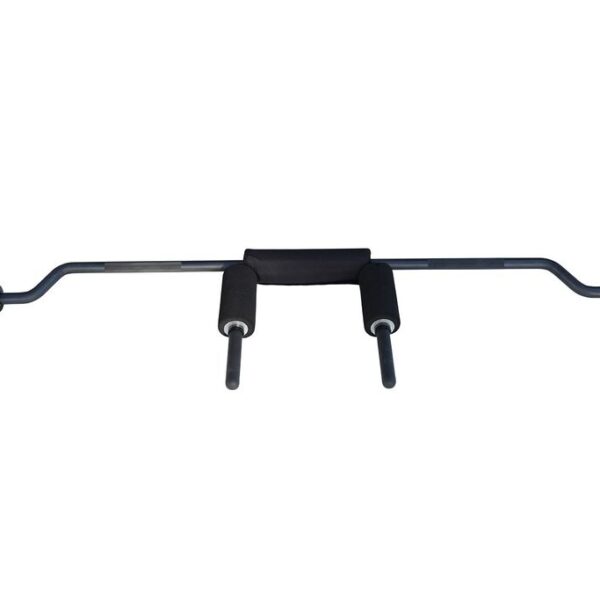
Econ Safety Squat Bar by WRIGHT EQUIPMENT
$479.20 Add to cart -
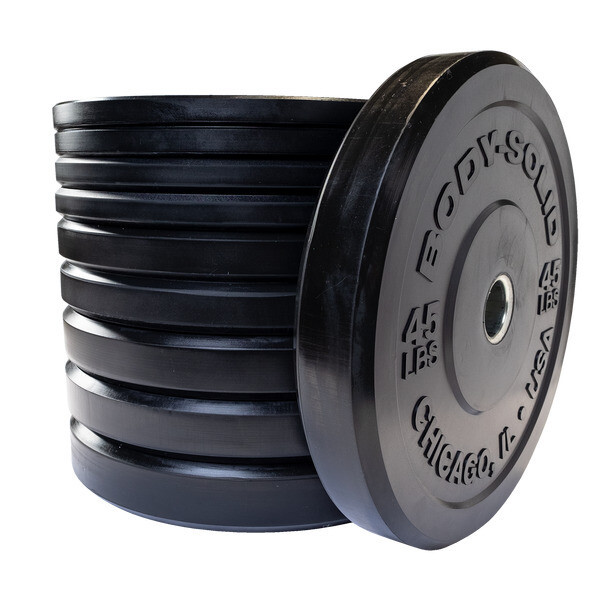
OBPX Chicago Extreme Bumper Plates by BODY-SOLID
Price range: $35.00 through $157.50 Select options This product has multiple variants. The options may be chosen on the product page -
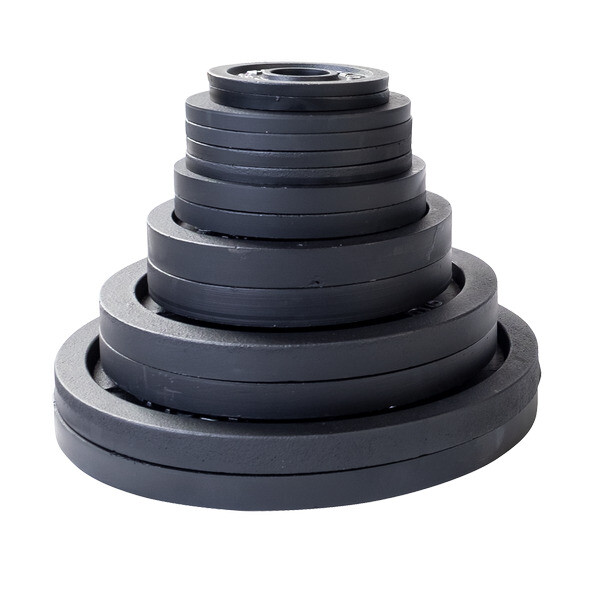
OPB Cast Iron Olympic Plates by BODY-SOLID
Price range: $5.88 through $105.75 Select options This product has multiple variants. The options may be chosen on the product page -
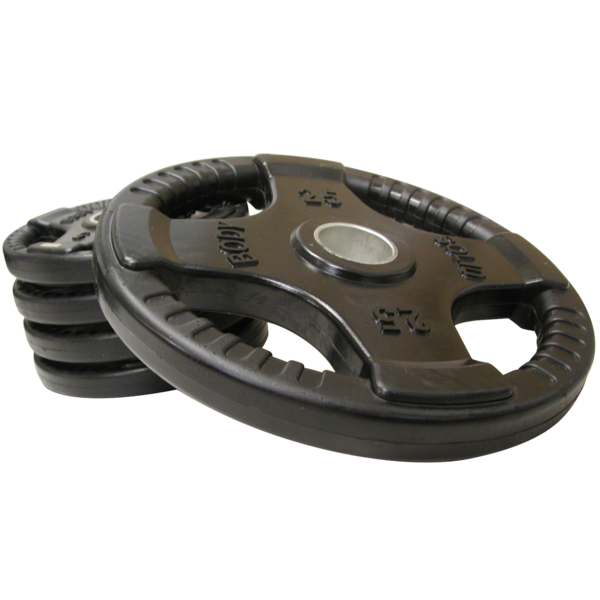
ORT Rubber Grip Olympic Plates by BODY-SOLID
Price range: $6.25 through $250.00 Select options This product has multiple variants. The options may be chosen on the product page -
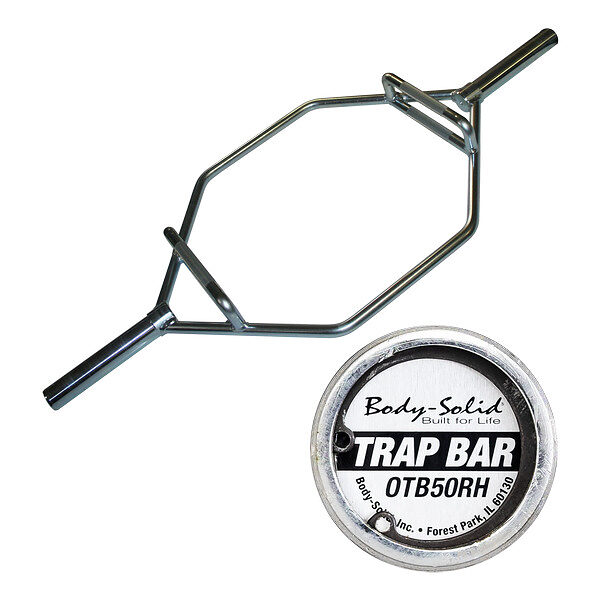
OTB50RH Olympic Shrug Bar (Raised Handles) by BODY-SOLID
$229.00 Add to cart -

Rubber Bumper Weight Plates by TROY FITNESS
Read more -
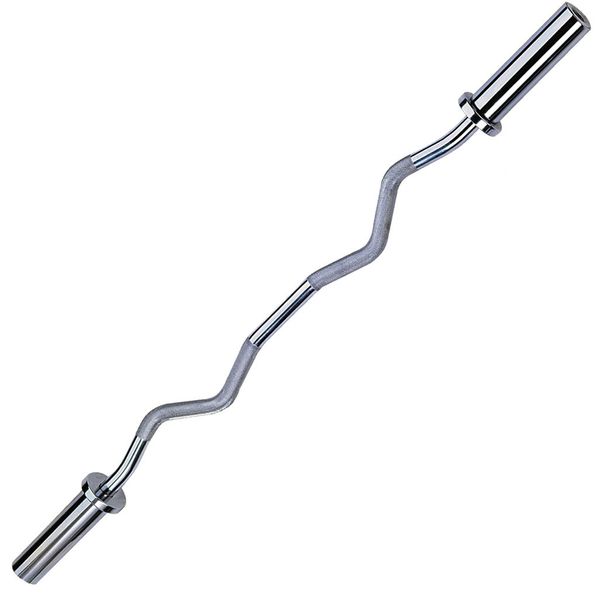
TOZ-47 Olympic Curl Bar by BODY-SOLID
$175.00 Add to cart -

TROY FITNESS 12 Sided Urethane Straight Barbell
Read more -

TROY FITNESS 7′ Olympic International Power Bar
Read more -

TROY FITNESS Power Bar
Read more -

TROY FITNESS Urethane Encased Grip Plate
Read more -

VTX Grip Plate by TROY FITNESS
Read more -

VTX Rubber Grip Weight Plate by TROY FITNESS
Read more
Why Choose Quality Bars & Plates?
Your barbell and plates form the backbone of every strength routine. Investing in durable, precision-engineered bars and plates ensures accurate loading, consistent performance, and long-term safety, whether you’re deadlifting heavy, powering through squats, or adding micro-loads for steady progress.
Explore Our Barbell Options
Standard Olympic Barbell
A 7-foot, 20 kg bar with 2″ sleeves, ideal for most lifts. Features aggressive or medium knurling for secure grip and a bare or zinc coating to resist corrosion.
Powerlifting Bar
Built with a thicker shaft (29 mm+), stiffer whip, and deeper knurling. Rated for 1,500 lb+ loads; optimized for heavy squats, bench presses, and deadlifts.
Technique/Training Bar
Lighter (often 15 kg or less) and shorter for beginners and youth. Demonstrates form without the intimidating weight of a full bar.
Specialty Bars
Hex (Trap) Bar: Elevates deadlift position for reduced back stress.
EZ Curl Bar: Curved shaft for wrist comfort during curls and presses.
Cambered/Swiss Bar: Multi-grip handles for shoulder-friendly pressing variations.
Discover Our Plate Selection
Bumper Plates
Solid rubber construction seals in the weight core for safe dropping. Standard 450 mm diameter for consistent bar height at all loads.
Iron/Steel Plates
Budget-friendly, compact design. Ideal in combination with bumpers when you don’t need to drop the weight.
Rubber-Coated Plates
Iron core with rubber exterior. Quieter than bare iron and gentler on floors without the bulk of bumpers.
Fractional & Technique Plates
Small-increment plates (0.5-2.5 lb) for micro-loading; perfect for precise strength gains and beginners.
Setting Up Your Bar & Plates
Rack Placement
Position your bar at mid-chest height for bench press and shoulder height for squats. Use safety pins or spotter arms set just below your lowest squat depth.
Plate Storage
Use plate trees and wall-mounted racks to keep your workspace clear. Store plates by size/type to speed up load changes.
Loading Technique
Slide plates gently to the collar, avoid banging to preserve both bar and sleeve bearings. Always use collars or clamps to secure plates in place.
Sample Barbell Workouts
Full-Body Strength Builder
Back Squat: 4×6 at 75% 1RM
Bench Press: 4×6 at 75% 1RM
Deadlift: 3×5 at 80% 1RM
Barbell Row: 3×8 at 65% 1RM
Progressive Overload Plan
Week 1–2: 3×8 at 60% 1RM (focus on form)
Week 3–4: 4×6 at 70% 1RM
Week 5–6: 5×5 at 80% 1RM
Maintenance & Care Tips
Barbell Care
Wipe down the shaft and sleeves after each session to remove sweat and chalk. Periodically apply a light coat of oil (3-in-1) to the shaft and sleeve bushings or bearings.
Plate Upkeep
Rubber bumpers can be cleaned with mild detergent; iron plates benefit from a rust-inhibiting spray if stored in humid environments.
Hardware Check
Every three months, inspect collars, sleeve bearings, and snap rings, tighten or replace any loose or worn components.
Frequently Asked Questions
What barbell diameter should I choose?
Standard Olympic bars are 28-29 mm for most lifters; power bars up to 32 mm suit stronger athletes with larger hands.
Can I mix bumper and iron plates?
Yes, load iron plates further inboard (closest to the collars). Bumpers go outermost for safe drops.
How much weight can my bar handle?
Check the bar’s rating: commercial Olympic bars usually support 1,000 lb+, while power bars exceed 1,500 lb.
Do bumper plates bounce?
High-quality bumpers absorb impact with minimal rebound; thinner competition bumpers bounce slightly more but meet strict weight tolerances.